
toughened obscure glass
The Steel Ring Gauge An Essential Tool in Precision Measurement In the realm of engineering and manufacturing, precision is paramount. Every component produced must meet stringent specifications to ensure functionality, safety, and longevity. One of the essential tools that engineers and machinists rely on for this purpose is the steel ring gauge. This specialized instrument plays a crucial role in determining the accuracy and quality of manufactured parts. What is a Steel Ring Gauge? A steel ring gauge, also known as a ring gauge or simply a ring, is a cylindrical tool made of high-quality steel, designed to measure the external diameters of manufactured components. Ring gauges come in two primary forms go and no-go gauges. The go gauge has a specified dimension that the part must meet or fall within, while the no-go gauge serves as a check to ensure that the part does not exceed a certain dimension. Together, these gauges form a basis for confirming the dimensional accuracy of cylindrical parts. The Importance of Steel Ring Gauges The significance of steel ring gauges cannot be overstated. In industries that involve mass production, even the slightest deviation from specified dimensions can lead to catastrophic failures, increased costs, and safety hazards. For example, in the automotive industry, precision in manufacturing engine parts is critical. A slight imperfection can result in engine failure, leading to potentially dangerous situations for drivers. Therefore, ensuring that every part meets the necessary standards is essential, and that is where steel ring gauges come into play. Material and Construction The choice of material for ring gauges is fundamental to their performance. Steel is preferred due to its durability, resistance to wear, and ability to maintain dimensional stability under various conditions. Ring gauges are often heat-treated and ground to achieve the necessary hardness and accuracy. Furthermore, they are typically finished with a protective coating to prevent rust and corrosion, which could affect their precision over time. steel ring gauge Applications Across Industries Steel ring gauges are employed in a wide range of industries—from aerospace and automotive to tool-making and manufacturing. In the aerospace sector, for example, components require extreme precision to ensure the safety and effectiveness of aircraft systems. Similarly, in the oil and gas industry, where mechanical parts must withstand harsh environments, the reliability of these components is frequently validated using steel ring gauges. Advantages of Using Steel Ring Gauges One of the primary advantages of using steel ring gauges is their ability to provide immediate feedback on the dimensional accuracy of a part. This rapid verification process helps in maintaining quality control throughout the manufacturing process. Additionally, because ring gauges are reusable, they offer a cost-effective solution for ensuring precision over long periods. Their design allows for easy handling and use, which further encourages consistent use in production settings. Challenges and Limitations Despite their advantages, steel ring gauges do have limitations. They can be subject to wear and tear over time, which may affect their accuracy. For this reason, routine calibrations and verifications against standard reference gauges are necessary to maintain precision. Additionally, while ring gauges are excellent for external measurements, they are not suitable for internal diameter measurements, wherein other gauges, such as internal calipers, must be used. Conclusion In conclusion, the steel ring gauge is an indispensable tool in the arsenal of engineers and manufacturers. Its ability to ensure precision in measuring external diameters significantly contributes to the quality and safety of a multitude of products across various industries. As technology continues to advance, the design and application of steel ring gauges are likely to evolve, but their core function as vital instruments for precision measurement will always remain. Ensuring quality through the use of ring gauges not only helps in reducing waste but also enhances the overall efficiency of manufacturing processes, thereby reinforcing their importance in modern industry.
about
toughened obscure glass
Metal Corner Connections A Crucial Aspect of Structural Integrity In the realm of construction and engineering, metal corner connections play a pivotal role in ensuring the structural integrity and stability of various structures. These connections are the points where two or more metal elements meet, and they are subjected to significant stress and strain due to external forces such as wind, earthquakes, and vibrations. Therefore, it is essential to understand the design, fabrication, and maintenance of these connections to prevent potential failures and ensure the longevity of the structure. One of the primary factors that influence the performance of metal corner connections is the type of joint used. There are several types of joints, including welded, bolted, and riveted joints, each with its own advantages and disadvantages. For instance, welded joints provide a high degree of strength and rigidity but may be more susceptible to corrosion. On the other hand, bolted joints are relatively easy to assemble and disassemble but may not offer the same level of strength as welded joints. Another critical aspect of metal corner connections is the material selection. The choice of material depends on factors such as the specific application, environmental conditions, and required strength and durability. For example, stainless steel is commonly used in marine environments due to its excellent corrosion resistance, while aluminum is preferred for its lightweight properties and high strength-to-weight ratio For example, stainless steel is commonly used in marine environments due to its excellent corrosion resistance, while aluminum is preferred for its lightweight properties and high strength-to-weight ratio For example, stainless steel is commonly used in marine environments due to its excellent corrosion resistance, while aluminum is preferred for its lightweight properties and high strength-to-weight ratio For example, stainless steel is commonly used in marine environments due to its excellent corrosion resistance, while aluminum is preferred for its lightweight properties and high strength-to-weight ratio metal corner connections . Fabrication techniques also play a crucial role in the performance of metal corner connections. Proper cleaning, preparation, and finishing of the metal surfaces are essential to ensure a strong bond between the components. Additionally, the use of advanced joining techniques such as friction stir welding or laser welding can further enhance the strength and reliability of the connection. Regular maintenance and inspection are also critical to the longevity of metal corner connections. It is important to regularly inspect the connections for signs of wear, corrosion, or damage and to take appropriate measures to address any issues promptly. This may include cleaning and coating the connections to protect them from the environment or replacing damaged components before they fail. In conclusion, metal corner connections are a vital component of structural integrity in construction and engineering projects. By considering factors such as joint type, material selection, fabrication techniques, and maintenance, engineers can design and construct stronger, more reliable structures that withstand the rigors of various environmental conditions and operational loads.
-

High quality industrial productsagement

High quality industrial products
View Details -

Meet the diverse needs of customers

Meet the diverse needs of customers
View Details -

Strict quality control

Strict quality control
View Details -

Top raw materials

Top raw materials
View Details -

Trusted supplier

Trusted supplier
View Details
Our application

news and information
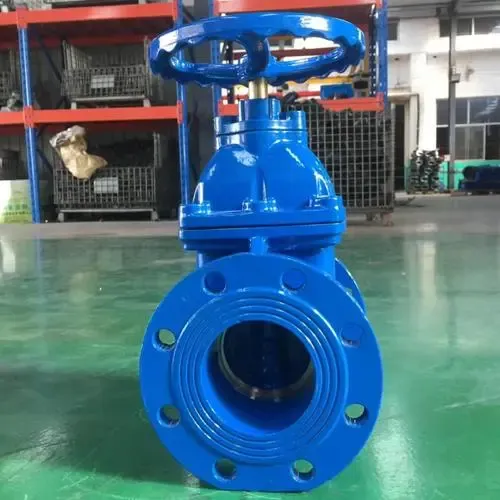
válvula de retenção do pistão
Válvula de Chegada com Pistão Um Componente Essencial na Indústria As válvulas de chegada, especialm
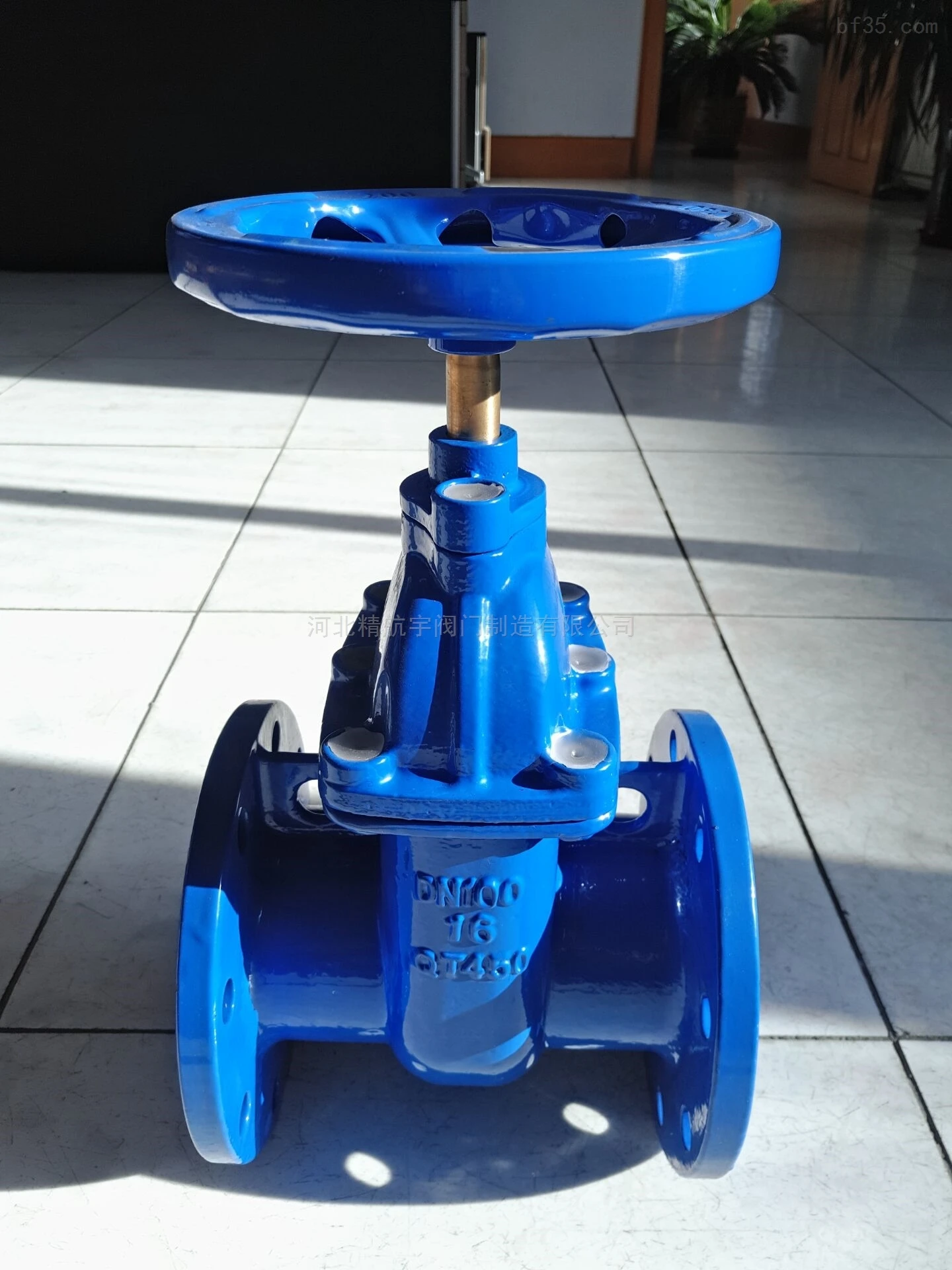
Verstellbarer Erdanker – Optimale Stabilität für Ihr Bauprojekt
Verstellbare Bodenanker Eine innovative Lösung für zahlreiche Anwendungen Verstellbare Bodenanker si
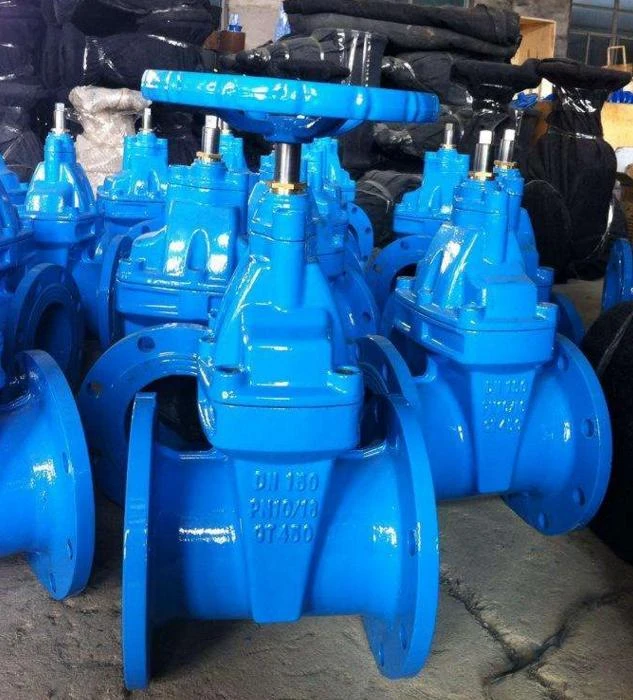
Welding and Fabrication Techniques for Efficient Metal Assembly and Construction
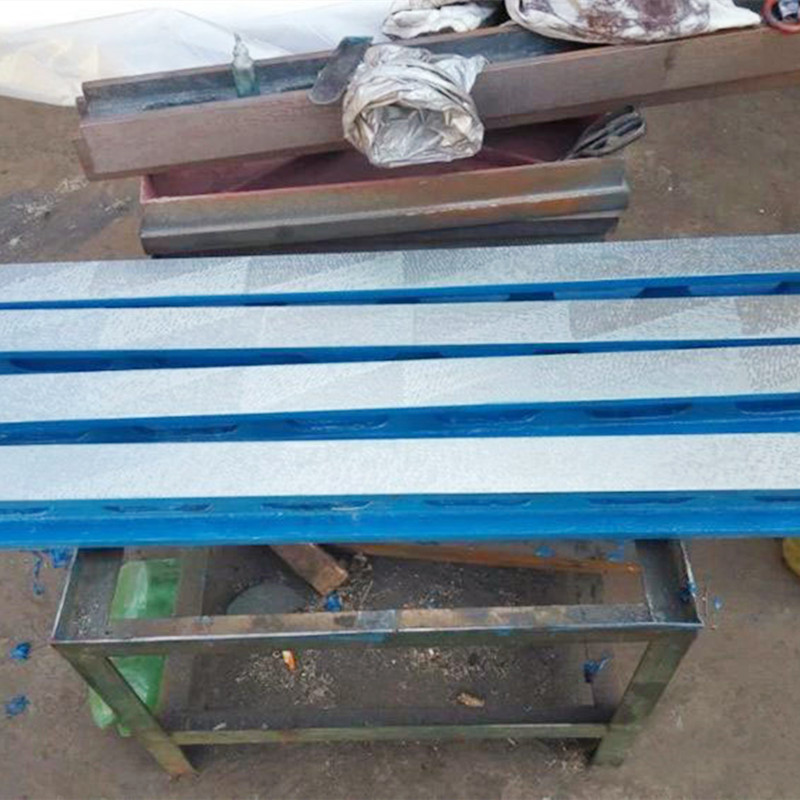
Understanding the Welding Fabrication Table A Comprehensive Overview Welding fabrication tables play
 English